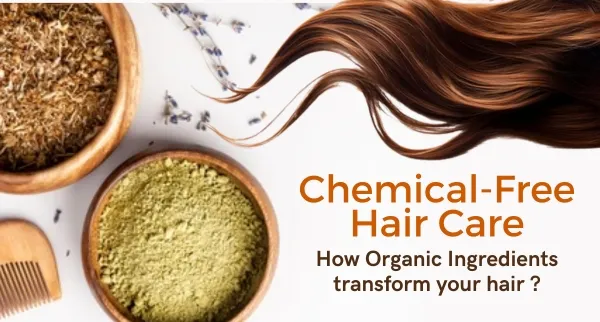
You may find shelves full of hair care products that promise immediate strength and shine if you walk down any beauty aisle. However, organic hair care is becoming more and more popular in a society where people are becoming more aware of substances. Natural hair care is changing how we take care of our hair, so it’s more than simply a fad. Clean, plant-based options that put long-term hair health ahead of short-term cures are replacing products that contain a lot of chemicals.
It’s no surprise that nearly three-quarters of millennials now prefer natural and organic beauty products, compared to 61% of Baby Boomers. The demand for sulfate-free shampoos, essential oils, and herbal extracts is growing as consumers become more aware of the impact harsh chemicals have on their scalp and strands.
Why Organic Hair Care Works
Organic hair products leverage the power of nature’s best ingredients to nourish, strengthen, and protect hair without relying on synthetic additives. Unlike conventional hair care products that often contain sulfates, parabens, and artificial fragrances, organic formulations use botanical extracts, vitamins, and essential oils for hair to deliver real results.
Let’s break down why organic hair products are making waves in the beauty industry:
Nutrient-Rich Formulations — Ingredients like coconut oil, hibiscus, Brahmi, and aloe vera are packed with vitamins, antioxidants, and fatty acids essential for healthy hair growth.
Scalp Health Benefits — Herbal extracts for scalp health, such as tea tree oil and neem, help combat dandruff, excess oil, and irritation.
Reduced Chemical Exposure — Avoiding sulfates, parabens, and synthetic dyes reduces the risk of scalp sensitivity, breakage, and long-term hair damage.
Environmentally Friendly — Organic formulas are often biodegradable, cruelty-free, and sourced through sustainable farming practices.
But are Organic Hair Products Really Effective?
Many skeptics wonder whether organic hair products work as well as their chemical-based counterparts. The answer is a yes — when formulated with high-quality natural ingredients, organic products can offer even better results.
For example, a study found that coconut oil penetrates hair shafts better than mineral oil, reducing protein loss. This makes it an excellent choice for deep nourishment. Similarly, herbal ingredients like Amla, Bhringraj, and Brahmi have been scientifically proven to promote stronger hair growth and reduce hair fall.
According to Dr.Apoorva Shah, a leading trichologist, switching to sulfate-free shampoos helps maintain the scalp’s natural pH balance, preventing irritation and excessive dryness.
The Ayurvedic Approach: Nature’s Solution for Hair Health
Ayurvedic hair care has been practiced for centuries, offering time-tested solutions for hair problems using herbal extracts for scalp health. Unlike synthetic products, organic hair products inspired by Ayurveda focus on balancing the body’s natural elements to ensure holistic hair health.
Brahmi: A key ingredient in Ayurvedic hair care, Brahmi strengthens hair roots and prevents hair fall. The Richfeel Brahmi Hair Pack deeply nourishes the scalp and promotes thicker hair growth.
Amla (Indian Gooseberry): Rich in vitamin C, Amla enhances hair strength and prevents premature graying. Try Richfeel Brahmi Jaborandi Hair Oil for stronger, shinier hair that contains goodness of Jaborandi Leaf, Brahmi, Amla and Hibiscus.
Henna: A natural conditioner that adds shine and volume while keeping the scalp healthy. The Richfeel Henna Mehendi offers a chemical-free hair care alternative for natural hair coloring.
Why You Should Avoid Chemical-Based Hair Care
Many commercial hair products contain harsh ingredients that do more harm than good in the long run. Here’s why switching to organic hair products is a game-changer:
Sulfates strip natural oils from the scalp, causing dryness and irritation.
Parabens have been linked to scalp sensitivity and potential long-term health risks.
Silicones create a false sense of shine but eventually lead to product buildup and dull hair.
A study also highlighted that prolonged exposure to sulfates in shampoos could weaken hair follicles, leading to increased shedding. Opting for a sulfate-free shampoo, like the from the Richfeel Hair Products range, can help maintain scalp hydration and prevent hair breakage.
How to Transition to an Organic Hair Care Routine
Switching to organic hair products isn’t just about buying new shampoos and conditioners — it’s about adopting a healthier hair care mindset. Here’s how you can make the transition smoothly:
Know Your Hair Type & Concerns — Identify whether you have dry, oily, or damaged hair to choose the right botanical-based products.
Choose Gentle Cleansers — Start by replacing chemical-laden shampoos with sulfate-free shampoos like Richfeel’s Herbal Shampoos.
Deep Nourishment with Hair Oils — Incorporate essential oils for hair, such as coconut oil, castor oil, and Brahmi oil, for weekly scalp massages.
Try DIY Natural Hair Masks — Mix honey, banana, and yogurt for deep hydration or use hibiscus powder and aloe vera for strengthening.
Be Patient — Natural solutions take time to show results, but they work to improve hair health from within.
Top Herbal Ingredients for Healthier Hair
Nature has provided us with countless powerful ingredients to keep our hair strong and healthy. Some of the best botanicals for hair include:
Neem: Antibacterial and antifungal, ideal for keeping the scalp healthy.
Hibiscus: Encourages hair growth and prevents premature graying.
Fenugreek (Methi): Strengthens hair follicles and reduces hair fall.
Bhringraj: Often called the “king of hair,” Bhringraj deeply nourishes the scalp and prevents dandruff.
The Future of Haircare: Embracing Organic & Sustainable Choices
With increasing consumer awareness, organic hair products are no longer a niche market — they’re the future of haircare. The global organic haircare market is projected to reach $20.5 billion by 2033, growing at a 7.1% CAGR as people seek healthier, sustainable alternatives.
This shift is driven by:
A rising preference for chemical-free hair care.
A growing interest in Ayurvedic hair care remedies.
Environmental concerns and demand for eco-friendly beauty solutions.
Conclusion: Make the Switch Today
The power of organic hair products lies in their ability to provide holistic hair health without compromising on safety or effectiveness. By embracing sulfate-free shampoos, essential oils for hair, and herbal extracts for scalp health, you invest in long-term hair wellness while supporting sustainable beauty practices.
Ready to transform your hair care routine? Explore Richfeel Naturals and experience the benefits of chemical-free haircare firsthand!
Frequently Asked Questions
Can all hair types use organic hair products?
Indeed! Natural ingredients are used in the formulation of organic hair products to accommodate various hair types. Regardless of your hair type — dry, oily, curly, or color-treated — chemical-free hair care solutions are available to suit your individual requirements. Seek out components such as hibiscus for strength, tea tree oil for oily scalps, and aloe vera for moisture.
2.Are organic shampoos and conditioners as effective as conventional ones?
Sulfate-free shampoos don’t create as much lather, many consumers believe they don’t clean as well. On the other hand, herbal cleansers and botanical extracts like shikakai and soapnut (reetha) are used in organic shampoos to gently cleanse without removing natural oils. Your hair will get shinier, healthier, and less reliant on artificial products over time.
3.How long does it take for organic hair products to start showing results?
Results may take a few weeks to manifest because organic hair products function naturally rather than using chemicals that are meant to address problems quickly. Within two to four weeks, most people feel better scalp health, and within two to three months, they see stronger, glossier hair. The secret is consistency!
4.Do dandruff and hair loss get better with organic hair products?
Indeed! Bhringraj, Neem, and Amla are just a few of the herbal extracts for scalp health that are well-known for their capacity to lessen hair loss, fortify roots, and fight dandruff. Hair thinning can be avoided and scalp conditions much improved by switching to a shampoo without sulfates and applying essential oils for hair, such as castor or rosemary oil.